Alcohol Use Disorder, or AUD, is a common condition impacting more than 28 million people ages 12 and up. The COVID-19 pandemic increased stress, which led to more drinking. When we drink so much that it creates problems with our health, relationships, and ability to function without alcohol, it may mean we are drinking too much, or could have AUD.
Many people use alcohol to help them relax, unwind, or socialize.
For a long time, moderate drinking was thought to be associated with good health. However, a growing body of research shows that even small amounts of alcohol can be more harmful than previously thought.
In fact, the U.S. Surgeon General has recently noted that even moderate drinking—one drink per day—can increase the risk for cancers of the breast, mouth, and throat. Know this: alcohol-related diseases and deaths are preventable. Learn more about protecting your health.




If you or a loved one want to stop drinking but need help to do it, call the Access Line 800-563-4086.
If you are chemically dependent on alcohol and suddenly stop drinking, convulsions or seizures can occur within six to 48 hours. This can become dangerous if not medically treated.
If you are a heavy drinker and want to quit, consult a trained medical professional or a facility that specializes in alcohol and drug treatment, and be honest about your usual alcohol intake. You can also contact the Substance Abuse and Mental Health Services Administration (SAMHSA) National Helpline at 1-800-662-4357 for information on support and treatment facilities in your area.
How much is “one drink”?
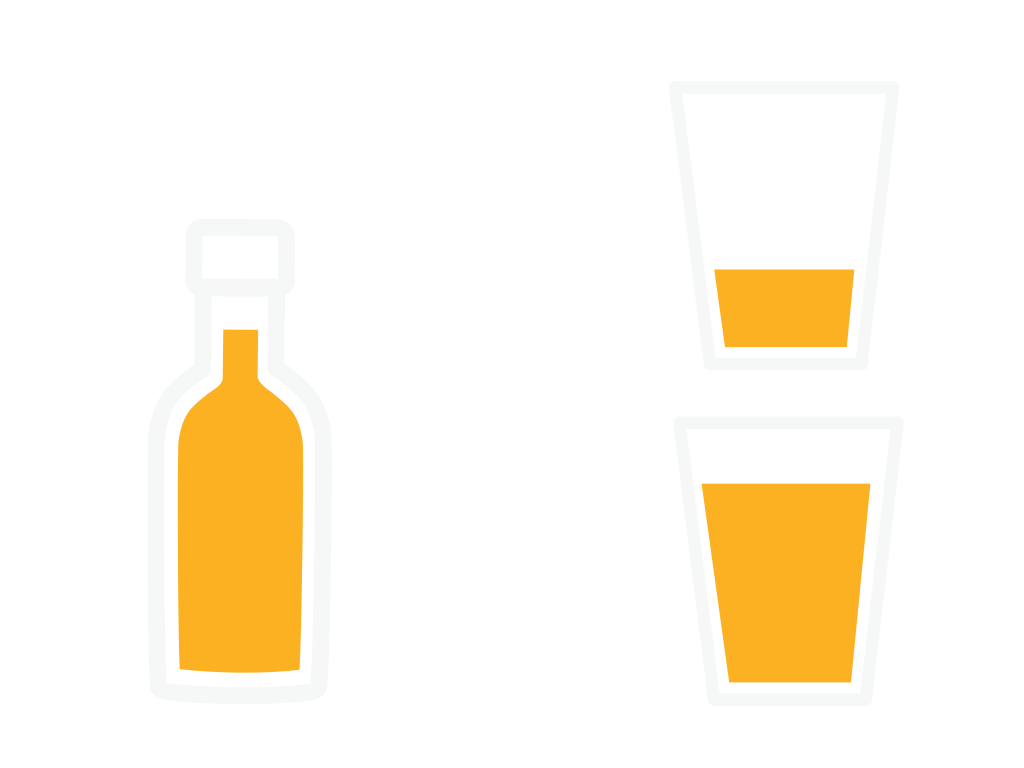
Many people are surprised to learn what counts as a drink. The amount of liquid in your glass, can, or bottle does not necessarily match up to how much alcohol is actually in your drink. Different types of beer, wine, or malt liquor can have very different amounts of alcohol content. For example, many light beers have almost as much alcohol as regular beer – about 85% as much.
That’s why it’s important to know how much alcohol your drink contains.
In the United States, one “standard” drink (or one alcoholic drink equivalent) contains roughly 14 grams of pure alcohol, which is found in:
12 ounces of
regular beer
which is usually about
5% alcohol

5 ounces of
wine
which is typically about
12% alcohol

1.5 ounces of
distilled spirits
which is about
40% alcohol
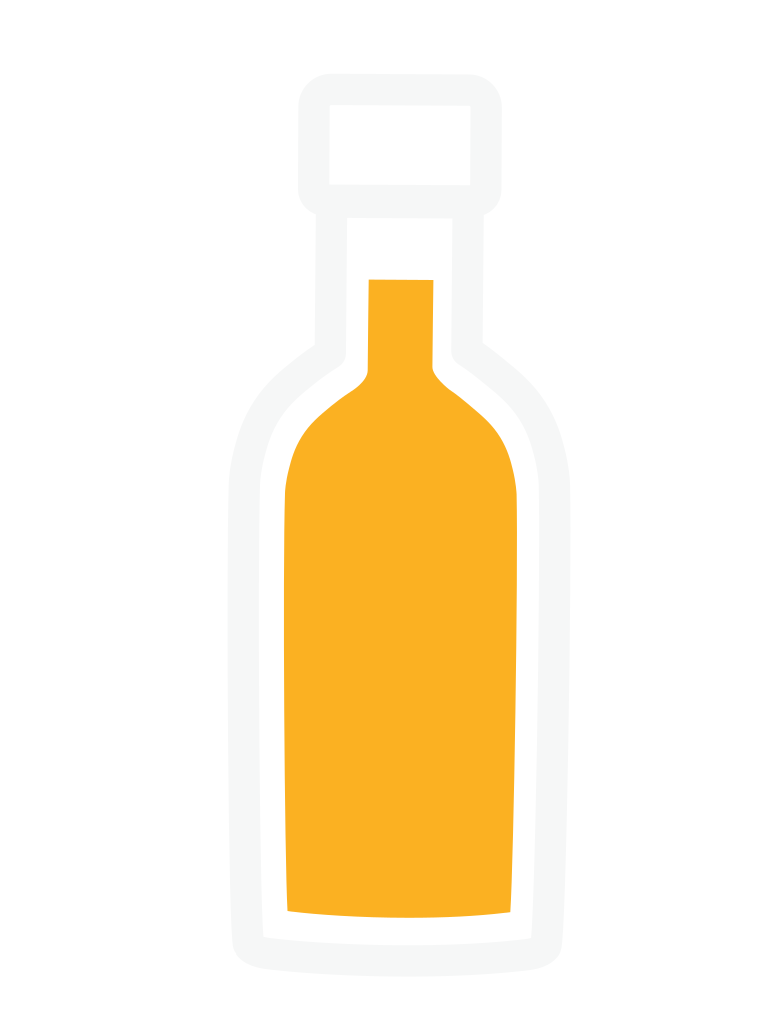
1.7 ounce nip of
distilled spirits
which is about
44% alcohol
This means...
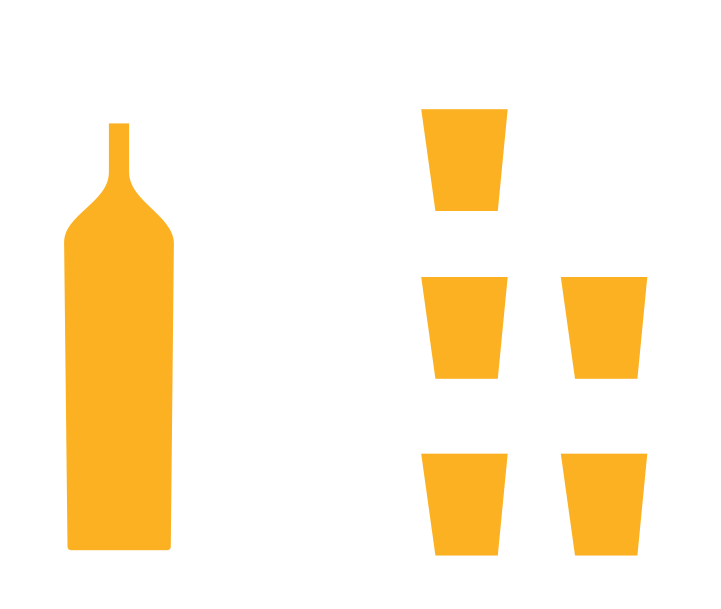
One bottle of wine = 5 drinks
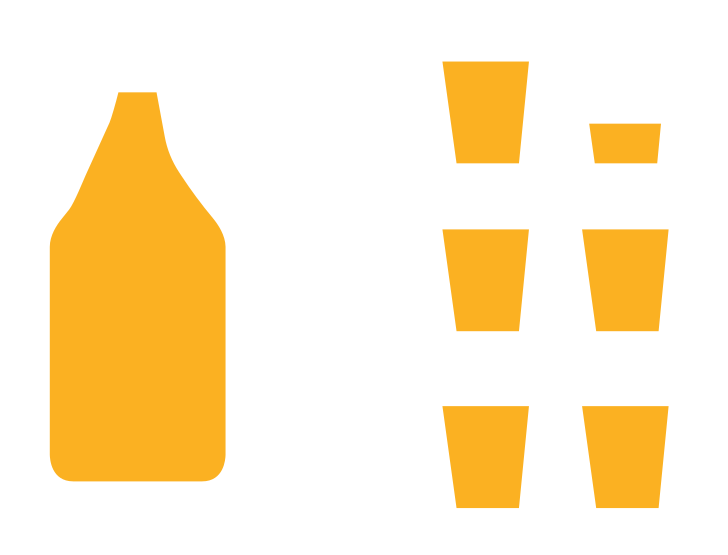
A growler of beer = 5.3 drinks
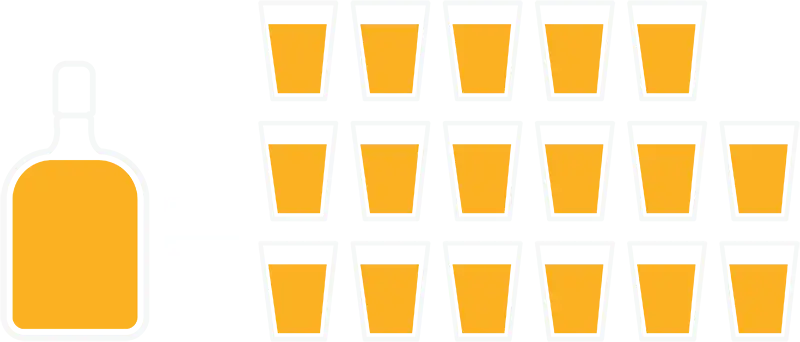
A fifth of distilled spirits or "hard liquor" = 17 drinks